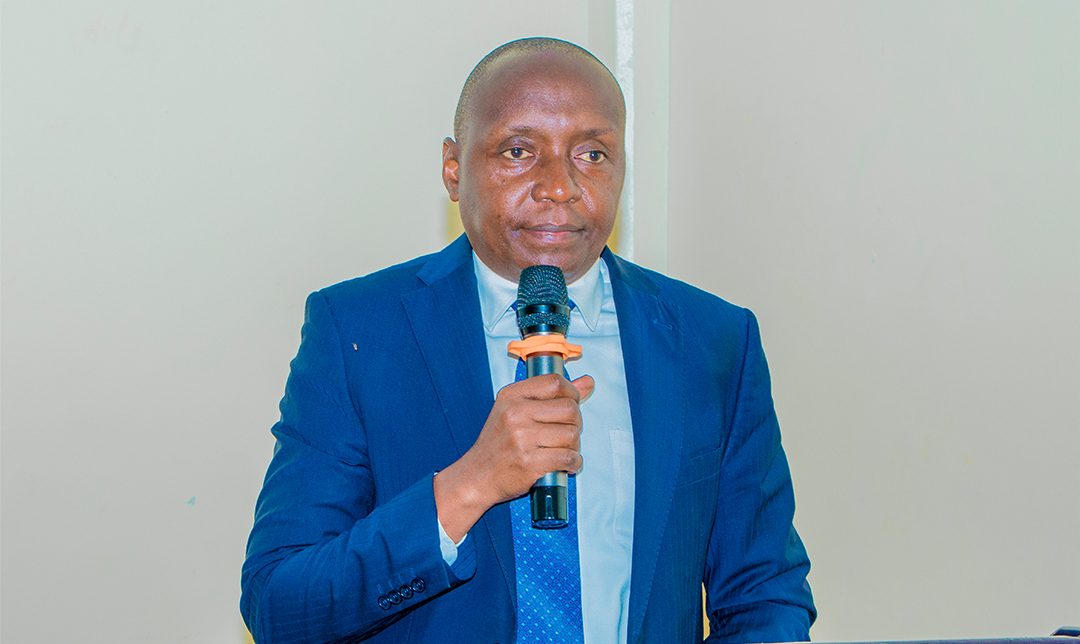

The Kilimanjaro Regional Administrative Secretary, Mr. Kiseo Yusuf Nzowa, has officially inaugurated the Third Staff Council of the Moshi Co-operative University (MoCU), urging members to discharge their responsibilities with integrity, professionalism and cooperation in representing employees’ interests and contributing to the University’s development.
Speaking during the inauguration ceremony, Mr. Nzowa described the Staff Council as an important statutory body that facilitates communication and consultation between management and employees. He emphasized that members should safeguard employees’ interests, improve working conditions, promote ethical conduct and discipline, and provide constructive and innovative advice.
He further noted that fulfilling these responsibilities would contribute to strengthening human resource capacity and advancing co-operative education, in line with the Government’s efforts to achieve the objectives of the National Development Vision 2050. He urged Council members and University management to put co-operative principles into practice, emphasizing that “The best way to teach co-operation is to live it.”
Meanwhile, the representative from the Moshi Labour Office, Ms. Elizabeth Kalenga, congratulated the University on inaugurating the Council, describing it as an important bridge of communication between management and employees. She encouraged members to use the Council as a platform for constructive consultations and productive discussions rather than complaints and unnecessary disputes, with the aim of strengthening workplace relationships and improving efficiency.
The Deputy Vice-Chancellor, who also serves as the Chairperson of the Staff Council, congratulated the 36 members elected through a participatory process involving University employees. He urged them to serve as an effective link between employees and management.
The inauguration ceremony was accompanied by a one-day training session aimed at equipping members with knowledge of their roles and responsibilities, operational procedures, and the various challenges facing Staff Councils.
“Our commitment is to continue building the capacity of Council members whenever necessary to enhance the Council’s effectiveness,” added Professor Sife.